

Fire is one of the most dangerous threats a household can face. According to the National Fire Protection Association (NFPA), thousands of residential fires occur every year, causing injuries, fatalities, and significant property damage. While fire is unpredictable, there are practical steps homeowners can take to protect their loved ones and minimize risks. This article explores essential strategies, from preventive measures to emergency preparedness, ensuring that your home remains a safe place for everyone.
Understanding Fire Risks in the Home
Before implementing safety measures, it’s important to understand where and how fires commonly start in residential settings. The leading causes include:
- Cooking Equipment: Unattended stoves, ovens, and frying pans are a major source of household fires. Grease fires, in particular, can escalate quickly.
- Electrical Malfunctions: Faulty wiring, overloaded outlets, and malfunctioning appliances can spark fires.
- Heating Equipment: Portable heaters, fireplaces, and furnaces can ignite nearby combustible materials if not properly maintained.
- Smoking Materials: Cigarettes, cigars, and even incense can cause accidental fires if left unattended.
- Candles and Open Flames: Candles are beautiful but dangerous if placed near flammable objects or left burning unsupervised.
Understanding these risks helps homeowners focus on targeted preventive measures and reduces the chances of a devastating fire.
Installing Smoke Alarms and Fire Detectors
One of the simplest and most effective ways to prevent fire-related tragedies is to install smoke alarms. Here are key points to consider:
- Placement: Smoke detectors should be installed on every level of the home, especially near bedrooms and living areas.
- Maintenance: Test alarms monthly and replace batteries at least once a year. Replace the entire unit every 10 years.
- Combination Alarms: Consider alarms that detect both smoke and carbon monoxide, ensuring broader protection.
Smoke alarms provide early warning, giving occupants critical time to evacuate safely. They are often the first line of defense against fires.
Fire Extinguishers: Your First Line of Defense
While prevention is ideal, having the right firefighting tools on hand can minimize damage if a fire starts. Fire extinguishers are essential for homes:
- Types of Extinguishers: For residential use, a multi-purpose extinguisher (Class ABC) is recommended, capable of handling fires from wood, paper, flammable liquids, and electrical sources.
- Placement: Keep extinguishers in easily accessible areas such as the kitchen, garage, and near fireplaces.
- Proper Usage: Learn how to operate an extinguisher with the PASS method: Pull the pin, Aim at the base of the fire, Squeeze the handle, and Sweep side to side.
Having extinguishers readily available can help contain small fires before they escalate, protecting both life and property.
Create an Emergency Fire Plan
Preparation is as important as prevention. Families should develop a clear, practical fire escape plan:
- Escape Routes: Identify at least two exits from every room, such as doors and windows. Make sure all routes are clear of obstructions.
- Meeting Point: Designate a safe meeting spot outside the home where all family members can gather.
- Practice Drills: Conduct fire drills regularly, ensuring that everyone, including children, knows how to exit quickly and safely.
- Emergency Numbers: Post fire department and emergency contact numbers in visible locations throughout the house.
A well-rehearsed fire plan can significantly reduce panic and increase the chances of everyone escaping unharmed.
Cooking Safety Measures
Since cooking-related incidents are among the leading causes of home fires, simple precautions can make a big difference:
- Never leave cooking unattended, especially when frying or using high heat.
- Keep flammable items like dish towels, paper towels, and oven mitts away from stovetops.
- Avoid wearing loose clothing that can catch fire while cooking.
- Clean grease buildup regularly to prevent accidental ignition.
Implementing these practices significantly reduces the likelihood of kitchen fires, which can spread rapidly if unchecked.
Electrical Safety Tips
Electrical malfunctions are another common source of residential fires. Homeowners can take several precautions:
- Avoid overloading outlets with multiple devices.
- Replace damaged cords immediately and ensure appliances are in good working condition.
- Hire a licensed electrician to inspect wiring if you notice frequent tripped breakers or flickering lights.
- Use surge protectors to prevent electrical surges from igniting appliances or wiring.
Maintaining electrical safety protects both your home and family from preventable disasters.
Heating Equipment and Open Flame Safety
During colder months, heating systems become a major risk factor for residential fires:
- Keep portable heaters at least three feet away from curtains, furniture, and other flammable materials.
- Ensure fireplaces are properly maintained, and use fire screens to prevent sparks from igniting nearby items.
- Schedule annual maintenance for furnaces and chimneys to detect potential hazards before they become dangerous.
- Never leave candles or open flames unattended. Opt for flameless LED candles when possible.
By taking precautions with heat and open flames, homeowners can maintain warmth without compromising safety.
The Role of Residential Fire Safety Systems
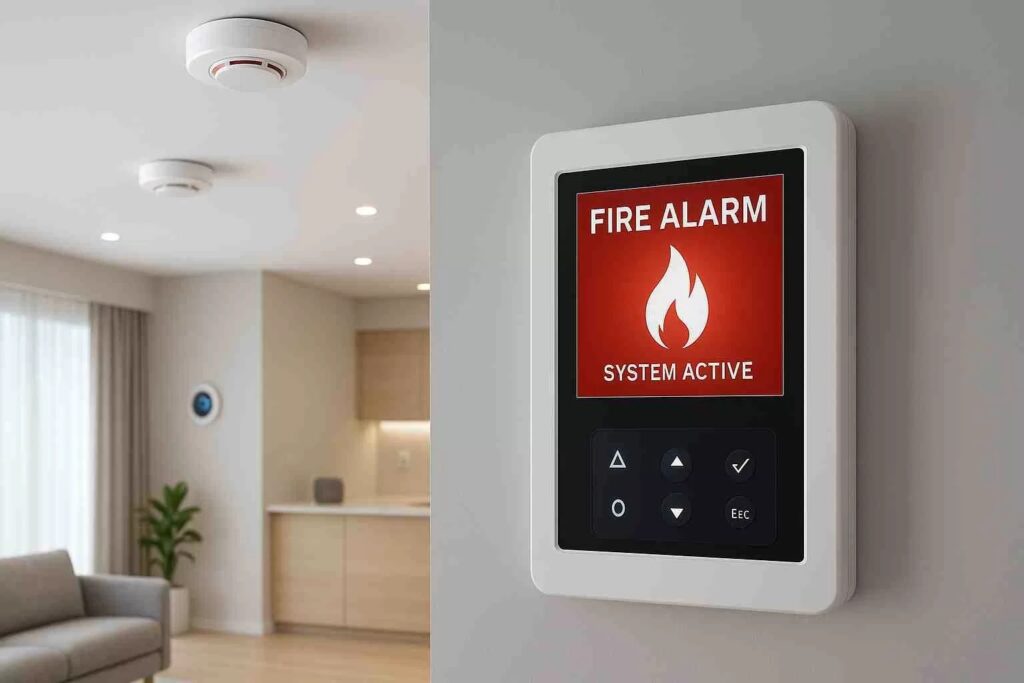
For comprehensive protection, investing in residential fire safety systems can make a major difference. These systems combine smoke detection, sprinklers, alarms, and sometimes monitoring services to provide an integrated approach to fire prevention and response.
- Sprinkler Systems: Automatically activate to suppress fire, minimizing property damage and reducing the risk of injuries.
- Connected Alarms: Modern systems send alerts to smartphones, allowing homeowners to act even when they are away.
- Professional Monitoring: Some systems offer 24/7 monitoring, alerting emergency services instantly in case of fire.
Integrating these systems into your home creates multiple layers of protection, ensuring that you and your loved ones are prepared for emergencies.
Fire-Resistant Materials and Home Design
Another practical measure is considering fire-resistant materials during construction or renovation:
- Use non-combustible roofing and siding materials.
- Install tempered glass for windows, which can resist heat and slow fire spread.
- Choose flame-retardant furniture, upholstery, and curtains.
- Maintain defensible space around your home by trimming trees and removing dry vegetation.
These design choices not only help prevent fire spread but also give occupants more time to evacuate safely.
Educating Your Family About Fire Safety
Education is a powerful tool in preventing fire-related accidents:
- Teach children about the dangers of fire and how to respond in emergencies.
- Encourage family members to stay low to avoid smoke inhalation during evacuation.
- Demonstrate the correct use of fire extinguishers and emergency exits.
- Discuss the importance of not hiding during a fire and immediately leaving the building.
An informed household is a safer household, capable of responding effectively if a fire occurs.
Conclusion
Fire safety is a responsibility that every homeowner must take seriously. By combining preventive measures, safety education, and modern innovations like residential fire safety systems, families can significantly reduce the risk of fire-related injuries and property damage. From smoke alarms and fire extinguishers to emergency plans and fire-resistant materials, a proactive approach ensures that homes remain safe havens.
Investing in fire prevention and preparedness is not just about protecting property, it’s about safeguarding the lives of those who matter most. By implementing these practical strategies, you can enjoy peace of mind knowing that your home and loved ones are better protected against one of life’s most dangerous threats.