

The Emergence of Biometric Payments in the Cashless World.
The manner in which individuals spend money in buying goods and services has evolved radically in the last 10 years. Cash is rapidly going down, cards are going online, and mobile wallets now make up daily transactions. With the advancement in convenience, the demands in security and speed have also risen. At this point of convergence, Biometric payments have come to the rescue with a payment system that is secure and easy to use by the end-user. Biometric payments are those that are authorised by unique biological characteristics. Users have the ability to verify payments using their identity rather than using a password, PINs, or physical cards, therefore, transactions are quicker and less susceptible to fraud.
What Are Biometric Payments?
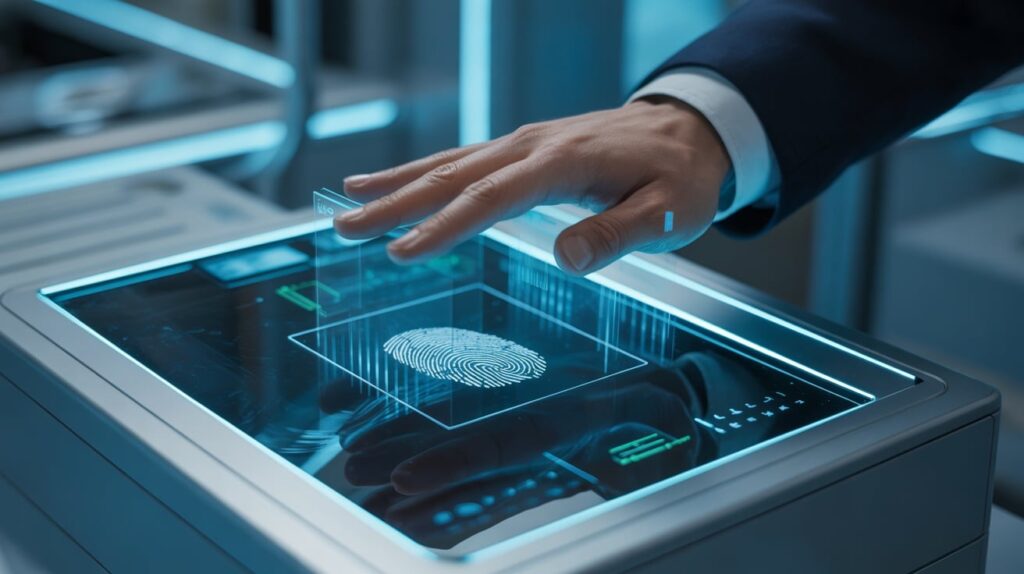
Biometric payments are described as payment systems, which verify users according to biometric identifiers. These identifiers are unique by nature and hard to copy, and therefore, it makes them the best in securing a financial transaction. After biometrics data of a user are registered and associated with a payment account, it can be validated to make a purchase over the internet as well as in stores.
The method makes the use of passwords and the carrying of various payment tools unnecessary. The payment credential will be the user, which makes the process of transaction easy, but highly secure.
The Reason behind the increasing popularity of Biometric Payments.
The use of digital payments has also increased, so does the experience of payment fraud. Hacked cards, hacked credentials, and phishing have revealed the vulnerabilities of the old authentication systems. Biometric payments solve this by ensuring that the transaction is made to be bound to the individual as opposed to a known or possessed object.
Biometric payments are the most convenient to their users. The process of transacting takes seconds without any extra process making the check out less complicated. This will mean more conversions, less losses on fraud and more customer confidence to the merchants and service providers.
Bio-metrics Authentication of Payments and Face Recognition.
Facial recognition technology is one of the many biometric technologies that have attracted much focus in the payments ecosystem. Facial recognition service allows users to authenticate transactions with their biometric template, which exists as a secured biometric image of their face. The technique is especially useful in both on-store and distance payments, since one does not need to follow through any physical interaction or special actions to carry it out. Facial recognition gives a high level of security to the biometric payments when used with the liveness detection and anti-spoofing. It makes sure that the transaction is authenticated by a human being when the payment is made as the risk of impersonation and fraud is minimized.
Biometric Payments have Security Advantages.
Security is another business case that biometric payments have the most. The biometric traits can not be guessed, shared or stolen as it happens with passwords or PINs. Although the data on payment can be compromised, biometric authentication provides an extra line of defense that helps users to avoid unauthorized transactions. Biometric payment systems are also today encrypted and stored in secure storage to safeguard biometric information. Instead of storing raw biometric information, systems normally store encrypted templates which cannot be reversed engineered. This solution is in line with the data protection needs and assists address user confidence in the biometric technologies.
Biometric Transactions User Experience and Trust.
An effective payment experience is defined as a natural and trustful one. Biometric payments will be more effective in this regard by eliminating the friction during the checkout process. Users do not have to alternate between applications, have to fill in the codes, or wait to receive confirmation messages. One does not need a complicated biometric gesture to make a purchase.
There is also the establishment of trust during the consistent and reliable performance of the users. Rapid authentication, reduced errors and easy communication about the use of data all lead to positive adoption. With users getting used to biometric payments, the level of acceptance is also increasing among demographics.
Implementation of Biometric Payments in all industries.
The use of biometric payments in a variety of industries is on the rise. The retailers are employing the use of biometric authentication in the point-of-sale terminals to accelerate in-store purchases. Fintech companies are incorporating biometrics in their mobile payment applications to enable a secure digital wallet maintained by banks. The transportation solution, hospitality services and even event venues are considering biometric payments to enhance efficiency and cut queues.
This wide usage is a pointer to the adaptability of the biometric payment systems. They can be adjusted to various environments without compromising the standard of security hence are applicable in high volume and highly valuable transactions.
Difficulties and Moral issues.
Along with all its benefits, there are the ethical and privacy considerations that are brought up by biometric payments. Users need to be assured that their biometrics data is collected in good faith, stored safely and used in good faith. These issues must be dealt with by having clear policies, regulatory compliance, and transparent practices.
The other challenges include interoperability and accessibility. Biometric systems should be reliable on devices, environment and population of users. These are key issues to deal with to have an inclusive and widespread adoption.
The Future of Biometrics Payments.
Biometric payments have a future that is more connected with digital identity environments. With the continued growth of biometric authentication, payments will continue to become a part of daily life. Continuous authentication models will minimize further fraud, although artificial intelligence and behavioral analytics will also improve accuracy. Biometric payments are going to become a norm and not an exception in the next several years. Together with security, convenience, and trust, they are a noteworthy move in the transformation of digital transactions.
Conclusion
In the world of digital-first people are redefining people payments using Biometric payments. They have the ability to provide an excellent solution to the contemporary payment issues by substituting traditional credentials with secure biometric authentication. With the advancement of technology, biometric payments will be at the centre stage in developing faster, safer, and easier financial experiences.