

Imagine it’s 2 AM. Your smartwatch picks up a weird heart rhythm and pings your doctor automatically. They check the info and call you in urgently, maybe stopping a stroke before it happens. Sounds like a movie, right? Technology in internal medicine is genuinely changing how physicians spot problems, track their health, and treat conditions daily.
Millions deal with chronic illnesses, and our ageing population craves care that’s actually tailored to them. These digital breakthroughs? They’re must-haves for the kind of forward-thinking, preventive medicine people need today.
We’ve come a long way from stethoscopes and filing cabinets. Now we’re talking AI-driven diagnosis and patient data that updates in real time. It’s one of healthcare’s most dramatic shake-ups.
AI Diagnosis Tools: Helping Doctors Think Faster and Sharper
Artificial intelligence is flipping the script on how internal medicine physicians tackle patient diagnosis and treatment plans. We’re not talking pie-in-the-sky stuff here; these are real tools doctors use today to spot diseases sooner and cut down on mistakes.
Machine Learning for Catching Disease Early
AI can crunch through thousands of lab results in a blink, picking up on tiny patterns pointing to pre-diabetes or early kidney trouble. These algorithms don’t sideline doctors; they amplify their expertise by highlighting concerns worth digging into. When bloodwork shows a bunch of borderline numbers that together scream cardiovascular risk, AI connects those dots way faster than eyeballing spreadsheets.
Voice Recognition That Actually Understands Medical Jargon
Speech-to-text documentation powered by digital tools saves doctors and physicians literally hours each week. These systems learn complicated medical terms and can suggest proper billing codes automatically. Doctors spend way less time staring at computer screens and way more time actually engaging with you. Let’s be honest, that is why most became doctors in the first place.
When you’re hunting for modern medical care, it usually kicks off with Googling providers who actually use these new tools. Searching for the best internal medicine doctors near me means you want more than a degree on the wall; you want someone blending solid clinical chops with the latest tech to give you thorough, thoughtful treatment.
Take Oak Street Health, for instance. They’ve built their whole thing around Medicare patients getting primary care teams who actually spend time with you while deploying sophisticated digital systems for tracking and treatment. These forward-thinking practices get something crucial: smart tech won’t ever replace genuine human connection, but man, can it supercharge it.
Predictive Models for Getting Ahead of Problems
Risk calculation tools identify which patients might end up hospitalised, letting doctors step in before a crisis hits. Population health platforms sift through entire patient lists to flag folks with uncontrolled conditions or missed screenings, making sure nobody slips through the cracks.
Remote Health Tracking That Never Sleeps
AIs are making clinic visits smarter, sure. But the real game-changer? Monitoring tech that lets physicians watch your health 24/7, flipping reactive medicine into proactive prevention.
Continuous Glucose Monitors That Talk to Your Doctor
CGM devices beam real-time data straight to physician dashboards, giving diabetes patients control they never had before. Automated warnings tell doctors about dangerous glucose swings before they spiral into emergencies. Some even sync with insulin pumps to adjust automatically, taking the exhausting daily grind off patients who’ve managed this disease for years.
Heart Monitors That Go Beyond Fitbit
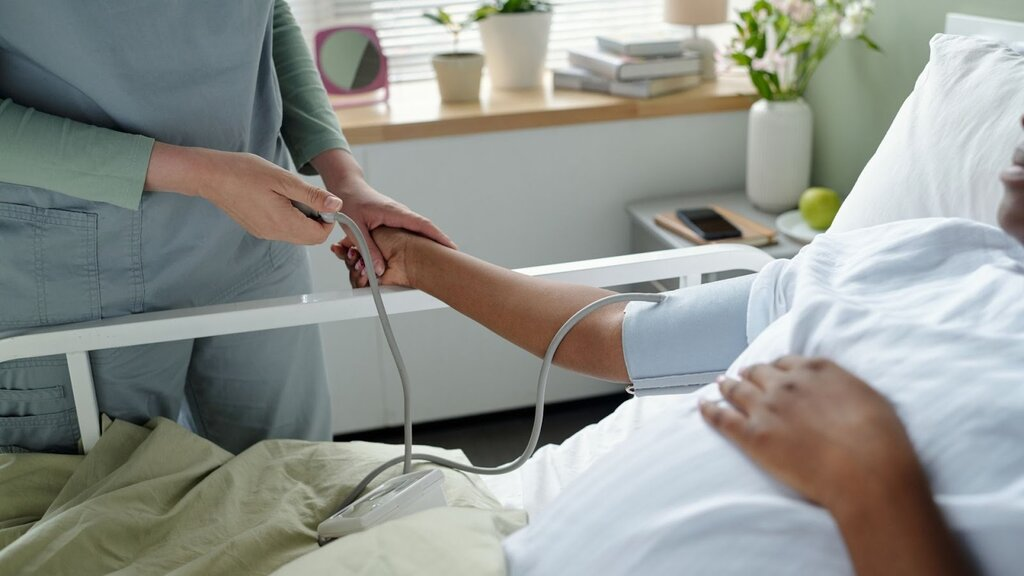
Medical-grade ECG patches catch rhythm problems that basic fitness trackers miss entirely. Blood pressure cuffs with built-in cellular tech mean patients don’t manually log every reading. Implantable loop recorders monitor your heart continuously for months, with doctors pulling data remotely, no office visit required.
All-in-One Home Monitoring for Chronic Conditions
Heart failure patients benefit hugely from tracking weight, blood pressure, and oxygen together. COPD folks use home breathing tests and symptom apps that ping care teams when trouble’s brewing. This healthcare technology for patient care spots issues while they’re still fixable, often keeping people out of the ER completely.
Modern Electronic Health Records That Actually Work Together
Remote devices generate mountains of useful patient info, but the magic happens when that data flows smoothly into clinical workflow. Today’s EHR systems are building the digital backbone connecting all these tech pieces into one coherent care system.
Systems That Finally Talk to Each Other
Real-time updates about ER visits or specialist appointments mean your primary doc knows what went down before you even pick up the phone. Cross-platform medication checks catch dangerous drug combos before pharmacies fill prescriptions. This cuts redundant testing and medication mistakes that waste resources and potentially hurt people.
Clinical Decision Tools Version 2.0
Smart treatment suggestions factor in your specific details, age, kidney function, and other health issues. Drug interaction alerts now rank severity, so doctors don’t drown in minor warnings while critical ones get immediate eyeballs. Evidence-based protocol tips pop up right in the workflow, exactly when needed.
Patient Data From Your Daily Life
Fitness tracker numbers and home blood pressure logs feed straight into your medical chart. Social determinants screening tools help doctors grasp real barriers you face, like food insecurity and transportation headaches, that affect whether treatment actually works. Mental health app data supports comprehensive care addressing you as a whole person, not disconnected symptoms.
Real-World Hurdles to Rolling Out New Tech
These innovations sound amazing, but bringing them from the whiteboard to the exam room isn’t simple. Grasping and tackling implementation obstacles matters for any practice wanting to leverage technology in clinical practice without disrupting patient care.
Upfront tech investment can look scary, particularly for small practices. But long-term gains through efficiency and better outcomes usually justify initial spending. Grants and government incentive programs help soften the financial blow, while a gradual rollout lets practices adopt technology piece by piece instead of everything simultaneously.
Change management trumps fancy technology every time. The EHR won’t help if staff find it confusing and actively avoid it. Smart practices loop in physicians and nurses from square one, ensuring new workflows actually make sense for the people using them daily. Continuous training and support prevent frustration when glitches inevitably pop up.
Not everyone owns a smartphone or has a solid internet connection. Smart healthcare solutions need alternatives for digitally disconnected patients, like loaner tablets or scheduled in-person visits for complex conversations. Tech interfaces in multiple languages plus community partnerships ensure technology lifts everyone’s care, not just the tech-savvy.
Wrapping Up: Better Care Through Better Tools
The digital overhaul of internal medicine isn’t some future fantasy; it’s unfolding right now in clinics nationwide. AI diagnostics matching physician accuracy. Remote monitoring prevents hospital stays. These tools are democratising personalised, preventive care for millions.
Technology shines brightest supporting, not replacing, the doctor-patient bond, freeing physicians for what truly counts: hearing patients out and delivering compassionate care. Internal medicine’s future marries human wisdom with digital innovation, and that partnership promises healthier tomorrows for all of us.
Your Burning Questions About Medical Tech Answered
Will tech completely replace seeing my doctor face-to-face?
Nope. Technology boosts care but can’t substitute physical exams or the healing power of real conversations. Hybrid approaches mixing virtual and in-person visits offer convenience without sacrificing quality, with physicians deciding which format suits each situation best.
How protected is my health info with digital monitoring gadgets?
HIPAA mandates serious encryption and security for all health data. Trustworthy providers use multi-factor logins and routine security checkups. This extends to how they communicate with you too — practices that text appointment reminders or follow-up instructions should be using HIPAA-compliant text messaging rather than standard SMS. Always ask your doctor’s office about their specific data protection before using any digital health tool.
Does insurance actually pay for telehealth and remote monitoring?
Medicare and most private plans now cover telehealth visits, though details vary. Remote monitoring coverage has grown substantially, but double-check your specific plan. Many practices employ staff specifically to help navigate insurance puzzles and maximize benefits.